Gisela Otto · 30 September 2026
Shifting Automation Priorities in Specialized Workflow Platforms for Technical Teams
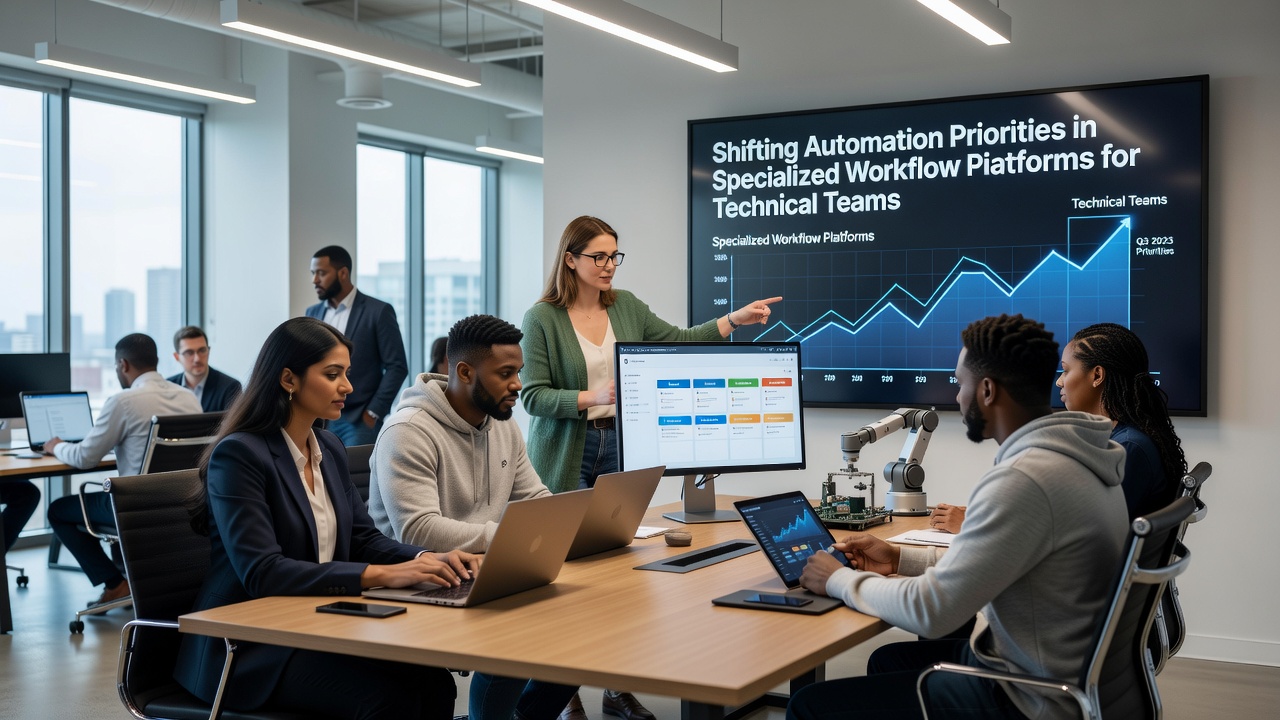
Specialized workflow platforms for technical teams have undergone measurable changes in automation priorities over recent years, with developers and engineers directing attention toward integrated systems that handle complex dependencies rather than isolated task execution, and data from industry tracking services shows adoption rates climbing steadily as organizations seek platforms capable of managing code pipelines alongside compliance checks and resource allocation in single environments.
Research indicates that early automation efforts centered on repetitive build and deployment steps, whereas current implementations extend into predictive resource scaling and cross-team synchronization, which allows teams to maintain velocity across distributed projects while reducing manual oversight requirements.
Core Changes in Platform Capabilities
Observers note that platforms now prioritize automation around security scanning embedded directly into commit workflows, and this integration occurs alongside automated testing sequences that adapt based on code change patterns detected in real time, whereas previous generations required separate tools for each function and often created delays during handoffs between systems.
Technical teams have observed increased emphasis on API orchestration layers that connect internal repositories with external services without custom scripting, and studies from academic institutions reveal that such features reduce setup time for new projects by measurable margins when compared with legacy configurations.
Data Patterns Emerging in 2026
As of September 2026, usage metrics compiled across multiple regions indicate that platforms offering automated dependency resolution and vulnerability patching have seen higher retention among engineering groups, and this trend aligns with broader shifts toward platforms that embed machine learning models for forecasting build failures before they occur during peak development cycles.
Those who have analyzed deployment logs find that teams utilizing these updated automation sequences report fewer interruptions in continuous integration processes, since the systems now handle environment provisioning dynamically based on historical usage data rather than static rules.
Effects on Team Operations and Resource Management
Specialized platforms have adjusted automation to include collaborative features that track task ownership across roles, which enables clearer visibility into bottlenecks without requiring additional reporting layers, and experts at research organizations have documented corresponding improvements in project completion timelines when such tracking operates automatically.
One study revealed that engineering groups adopting these platforms experienced streamlined handoffs between development and operations stages, because automation now incorporates approval gates that reference both code quality metrics and regulatory compliance flags in unified dashboards.
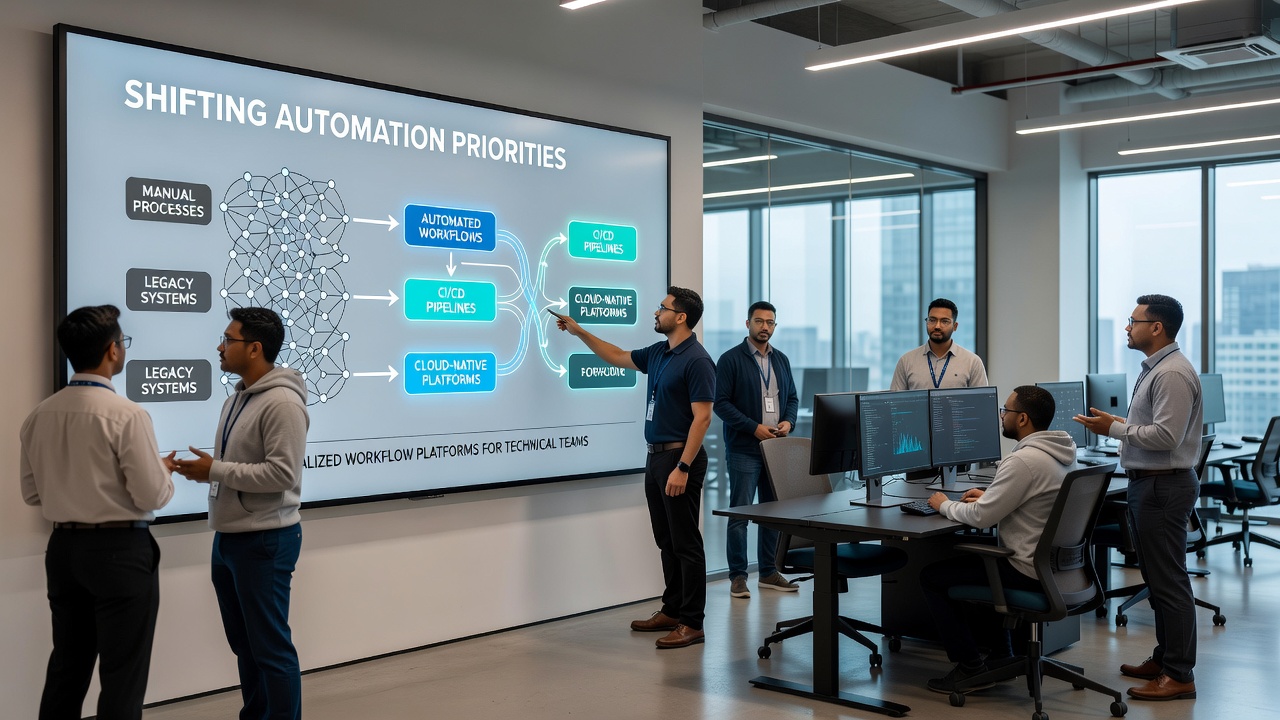
Furthermore, resource allocation automation has moved toward predictive models that adjust compute instances ahead of scheduled releases, and figures from government technology assessments in multiple countries confirm reduced over-provisioning costs when these models draw from aggregated team activity data.
Integration with Broader Technical Ecosystems
Workflow platforms increasingly automate connections to monitoring services and incident response tools, allowing technical teams to maintain continuity during outages through scripted rollback procedures that execute based on predefined thresholds, while data indicates that this reduces mean time to recovery across monitored deployments.
According to reports from the European Commission digital strategy documentation, organizations implementing such layered automation report stronger alignment between platform capabilities and evolving regulatory requirements in data handling sectors.
Additional evidence from the National Institute of Standards and Technology publications shows that standardized automation interfaces facilitate easier audits because change histories remain centralized and searchable within the primary workflow environment.
Adaptations in Specialized Use Cases
Teams working in regulated industries have noted platforms shifting automation priorities to include automated audit trail generation that complies with sector-specific standards, and this occurs without manual intervention at each stage of the development lifecycle, which supports consistent documentation practices.
Researchers have observed that educational and research institutions deploying these platforms benefit from automation that manages version control across collaborative experiments, thereby minimizing conflicts when multiple contributors edit shared repositories simultaneously.
Conclusion
Shifting automation priorities in specialized workflow platforms continue to reshape how technical teams structure their daily operations, with emphasis placed on predictive functions, embedded compliance, and ecosystem integration that address the demands of distributed development environments, and ongoing measurements from various sources confirm sustained movement in these directions through late 2026 and beyond.